

Table of Contents
- What Makes a Great Espresso Bean
- Single Origin vs Blend for Espresso: Which Should You Choose?
-
The Best Coffee Beans for Home Espresso: Our Top Picks
- 1. 6 Bean Blend, Best All-Around Dark Roast Espresso
- 2. African Espresso, Best for Bright, Complex Shots
- 3. Italian Roast, Best for a Traditional, Heavy-Bodied Pull
- 4. Latin American Blend, Best for Balanced Everyday Espresso
- 5. Blonde, Best for Sweet, Low-Bitterness Espresso
- 6. Bali Blue, Best Single Origin for Espresso Depth
- 7. Guatemala, Best Single Origin for Layered Flavor
- 8. Brazil Santos, Best Single Origin for Smooth, Forgiving Shots
- Quick Comparison: Espresso Beans at a Glance
- How to Dial In Espresso Shots with Your Beans
- How to Store Espresso Beans for Peak Freshness
- Which Espresso Beans Are Right for You?
Last Updated: August 24, 2026
Choosing the best coffee beans for home espresso is harder than it looks. Walk into any specialty shop and you'll find a wall of options with tasting notes that tell you almost nothing about whether the bean will actually pull a good shot. At Birdy & The Bear Coffee, we've built our entire catalog around solving exactly this problem: beans roasted fresh to order, sourced responsibly, and selected specifically for home espresso performance.
This guide covers eight picks across blends and single origins, plus the practical knowledge you need to dial them in properly.
Quick Picks:
- Best All-Around: 6 Bean Blend, reliable, full-bodied, forgiving for most machines
- Best for Bright Shots: African Espresso, complex, fruit-forward, medium-dark roast
- Best Traditional Pull: Italian Roast, darkest roast, heavy body, zero acidity
- Best Single Origin: Bali Blue, volcanic depth, dark chocolate, molasses sweetness
What Makes a Great Espresso Bean
A great espresso bean produces a balanced extraction under high pressure, delivering rich crema, full body, and tasting notes that hold up through the intensity of the brewing process. Nine bars of pressure force hot water through a compressed puck of grounds in 25-30 seconds. Beans that taste pleasant as a pour-over can turn thin, sour, or overwhelmingly bitter when pulled as espresso. The variables that matter most are roast level, roast date, and bean density.

Roast Level: Medium-Dark vs. Dark
Medium-dark roasts are the sweet spot for most home espresso setups. They preserve enough origin character, fruit, chocolate, caramel, while developing the sugars and oils that give espresso its body and crema. Dark roasts work best for traditional Italian-style espresso or milk-based drinks. If you drink espresso straight, start with a medium-dark roast. If you mostly pull shots for milk drinks, a dark roast gives you more room to work with.
Roast Date, Degassing, and Freshness
Freshly roasted beans release CO2 in a process called degassing. For the first 24-48 hours after roasting, CO2 output is so high it interferes with extraction, causing channeling and uneven shots. The ideal window for espresso is 5-14 days after the roast date. This is why roast-to-order matters: your beans arrive within that window rather than sitting in a warehouse for weeks. According to the Specialty Coffee Association's brewing standards, freshness is one of the primary quality indicators for specialty coffee, with stale beans producing measurably flat extractions regardless of grind or technique.
Single Origin vs Blend for Espresso: Which Should You Choose?
Single origin espresso highlights one bean from one farm or region, while an espresso blend combines multiple origins to create a consistent, balanced flavor profile designed for the extraction process.
For home espresso drinkers, blends are generally more forgiving. A well-designed blend offsets the strengths of each component against the weaknesses of the others. Single origins are more rewarding when dialed in correctly but less forgiving: the acidity is more pronounced, the extraction window is narrower, and you'll spend more time adjusting grind size and tamping pressure. Start with a blend, learn your machine, then explore single origins once you're comfortable with the basics.
The Best Coffee Beans for Home Espresso: Our Top Picks
Eight options, across blends and single origins, at $18.99 each. Every one is roasted to order and ships fresh.
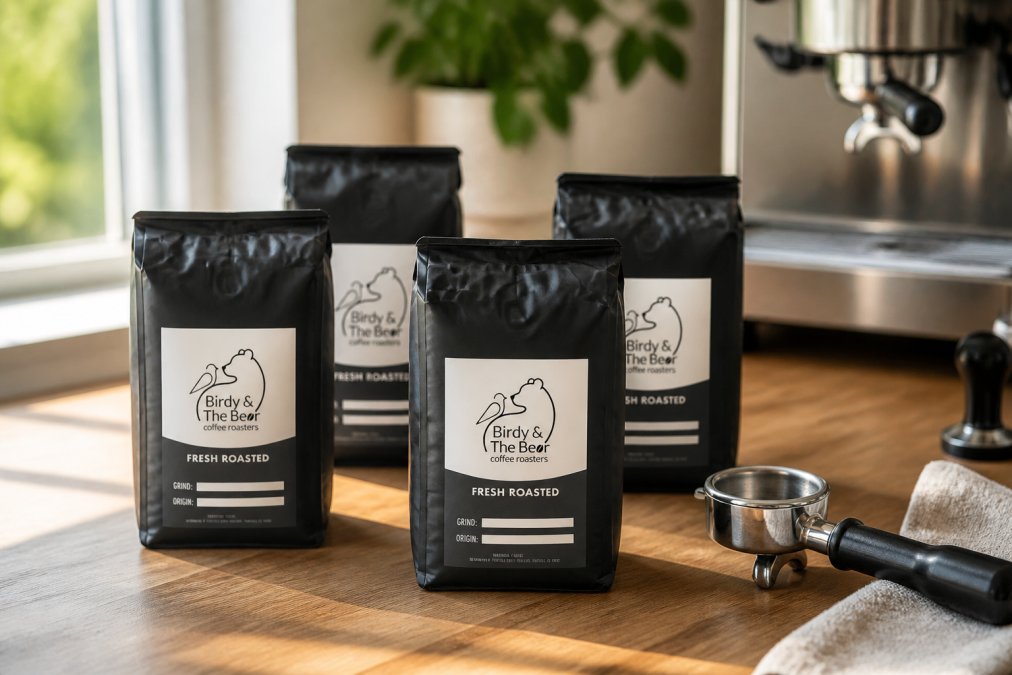
1. 6 Bean Blend, Best All-Around Dark Roast Espresso
The 6 Bean Blend is a dark roast house blend designed to produce a full-bodied, consistent shot across many home espresso machines. Dark roasts have higher solubility, meaning the extraction window is wider.
Tasting profile: Bold, full-bodied, low acidity, classic espresso bitterness Best for: Everyday espresso, milk-based drinks, beginners and intermediate home brewers Roast: Dark
Pros: Wide extraction window, highly forgiving; works well as both straight espresso and in lattes/cappuccinos; consistent shot to shot
Cons: Less origin complexity than single origins; not ideal if you prefer bright, fruit-forward espresso
2. African Espresso, Best for Bright, Complex Shots
The African Espresso is a medium-dark blend pulling from Kenya, Tanzania, and Ethiopia. The medium-dark roast level preserves natural acidity and fruit notes while developing enough body and sweetness for a balanced shot.

Tasting profile: Bright, fruity, complex, medium body, higher acidity Best for: Straight espresso, experienced home brewers Roast: Medium-Dark
Pros: Exceptional complexity for a blend; floral and fruit notes shine in straight shots; medium-dark roast is more forgiving than light roasts
Cons: Higher acidity may not suit everyone; requires more precise dialing in than the 6 Bean Blend
3. Italian Roast, Best for a Traditional, Heavy-Bodied Pull
The Italian Roast is Birdy & The Bear Coffee's darkest offering: a slow-roasted blend of specialty grade Arabica and Robusta. Acidity is essentially nonexistent. Robusta adds more caffeine and crema; the higher oil content from the dark roast amplifies this further.
Tasting profile: Dark roast bitterness, heavy body, thick crema, smoky, no acidity Best for: Milk drinks, traditional espresso drinkers, high-crema preference Roast: Dark (Arabica/Robusta blend)
Pros: Exceptional crema production; classic Italian espresso profile; holds up perfectly through milk
Cons: No origin complexity; not suited for straight espresso if you prefer nuance
4. Latin American Blend, Best for Balanced Everyday Espresso
The Latin American Blend is a medium-dark roast of select Latin American coffees, shade grown in volcanic soil. The flavor profile hits the middle of the road: nutty hints, mild fruity tones, and a gentle cocoa aftertaste. The washed processing method means cleaner, more consistent extraction.
Tasting profile: Nutty, mild fruit, cocoa finish, full flavor, medium-dark body Best for: Daily espresso, consistent home brewing, those who prefer balance over intensity Roast: Medium-Dark
Pros: Environmentally conscious processing; consistent extraction, very forgiving; broad appeal flavor profile
Cons: Less distinctive than single origins; mild fruit notes may disappoint those seeking brighter acidity
5. Blonde, Best for Sweet, Low-Bitterness Espresso
The Blonde is a sweet blend from Central America and Africa, specifically designed for sweet espresso, lighter in body, lower in bitterness, higher in natural sweetness. The lower roast level keeps natural fruit and floral notes intact. The tradeoff is a narrower extraction window and more sensitivity to grind size.

Tasting profile: Sweet, low bitterness, light body, floral and fruit notes Best for: Those who add sugar to espresso, anyone exploring lighter roast profiles Roast: Light-Medium
Pros: Genuinely sweet without adding sugar; unique flavor profile on this list; great for those sensitive to bitterness
Cons: Narrow extraction window; requires a quality grinder and precise technique
6. Bali Blue, Best Single Origin for Espresso Depth
The Bali Blue comes from smallholder farmers in Kintamani, Bali, grown in volcanic loam at 1,200-1,600 meters. Wet-hulling processing produces a distinctively earthy, heavy-bodied cup with lower acidity. For espresso, this translates to a syrupy mouthfeel and deep tasting notes: dark chocolate, molasses, brown sugar.
Tasting profile: Dark chocolate, molasses, brown sugar, syrupy body, low acidity Best for: Single origin enthusiasts, those who want depth without brightness Roast: Medium-Dark
Pros: Exceptional mouthfeel and body; unique processing method creates distinctive flavor; responsibly sourced from smallholder farmers
Cons: Earthy notes aren't for everyone; less bright than East African single origins
7. Guatemala, Best Single Origin for Layered Flavor
The Guatemala is sourced from smallholder farmers in Antigua, grown in volcanic loam at 1,200-1,616 meters. The fully washed process gives this bean exceptional clarity. Every tasting note, dark chocolate, bright fruit, butterscotch, comes through cleanly. According to the Coffee Quality Institute's grading standards, fully washed coffees from high-altitude volcanic regions consistently score among the highest in cupping evaluations for clarity and complexity.
Tasting profile: Dark chocolate, bright fruit, butterscotch, clean finish Best for: Experienced home brewers, those who want layered complexity in a single origin Roast: Medium
Pros: Exceptional clarity from washed processing; layered, complex flavor profile; high-altitude density supports consistent extraction
Cons: Medium roast requires precise grind and temperature; bright fruit notes can tip toward sourness if under-extracted
8. Brazil Santos, Best Single Origin for Smooth, Forgiving Shots
The Brazil Santos comes from Fazenda Santa Barbara and Santo Antonio farms in Parana and Sao Paulo. Grown at 750-1,050 meters, the pulped natural process leaves some fruit sweetness while keeping the cup clean. The result is an elegant, smooth shot with cocoa notes and minimal acidity.
Tasting profile: Smooth, cocoa notes, low acidity, gentle sweetness, elegant body Best for: Single origin beginners, those who want smooth shots without complexity overload Roast: Medium
Pros: Most forgiving single origin on this list; approachable flavor profile with genuine character; pulped natural process adds sweetness without earthiness
Cons: Less complex than higher-altitude single origins; lower altitude means slightly narrower crema
Quick Comparison: Espresso Beans at a Glance
Bean |
Roast |
Flavor Profile |
Best For |
Price |
|---|---|---|---|---|
Dark |
Bold, full-bodied, low acidity |
All-around, beginners |
$18.99 |
|
Medium-Dark |
Bright, fruity, complex |
Straight espresso, experienced brewers |
$18.99 |
|
Italian Roast |
Dark |
Heavy body, smoky, thick crema |
Milk drinks, traditional espresso |
$18.99 |
Latin American Blend |
Medium-Dark |
Nutty, cocoa, balanced |
Daily driver, consistent brewing |
$18.99 |
Light-Medium |
Sweet, low bitterness, floral |
Low-bitterness preference |
$18.99 |
|
Bali Blue |
Medium-Dark |
Dark chocolate, molasses, syrupy |
Single origin depth |
$18.99 |
Guatemala |
Medium |
Dark chocolate, bright fruit, butterscotch |
Layered complexity |
$18.99 |
Brazil Santos |
Medium |
Smooth, cocoa, elegant |
Single origin beginners |
$18.99 |
How to Dial In Espresso Shots with Your Beans
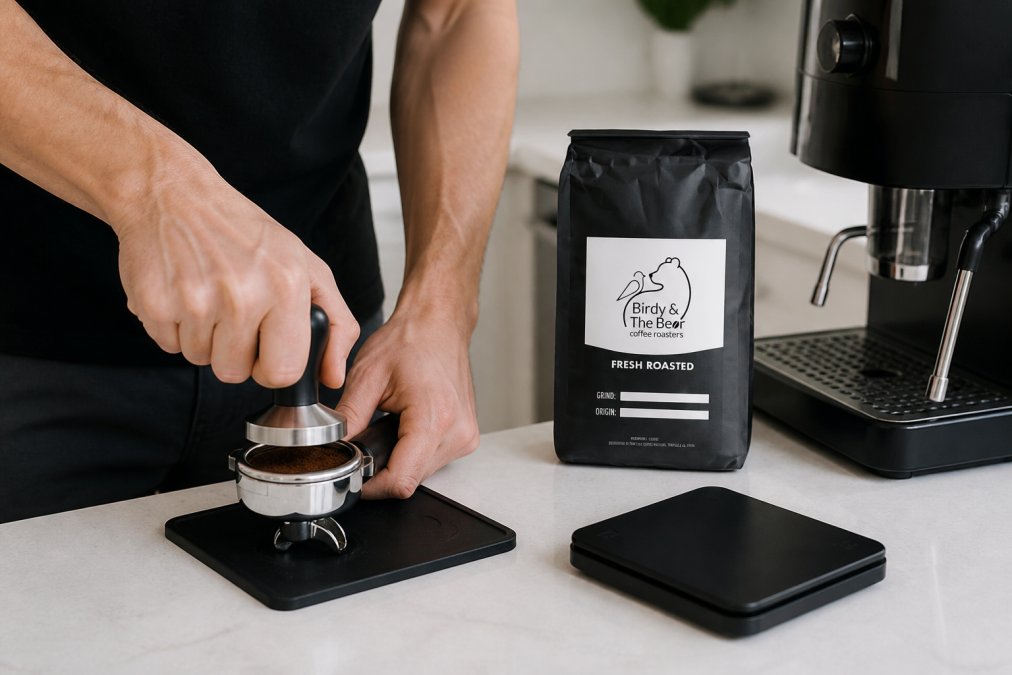
Dialing in espresso shots means adjusting grind size, dose, and extraction time until your shot hits the right balance of sweetness, body, and acidity. The standard starting point is a 1:2 ratio: 18 grams of ground coffee producing 36 grams of liquid espresso in 25-30 seconds. If your shot runs faster than 25 seconds, grind finer. If it runs slower than 30 seconds, grind coarser.
Equipment-Specific Bean Pairing
The machine you're using changes which beans work best. Entry-level machines (under $300) work best with dark roasts like the 6 Bean Blend or Italian Roast, where the wider extraction window compensates for equipment variability. Mid-range machines ($300-$800) handle medium-dark roasts like the African Espresso and Latin American Blend, and you can start experimenting with single origins like Brazil Santos. Prosumer machines ($800+) offer full control over pressure, temperature, and pre-infusion, making every bean on this list viable. A quality burr grinder matters as much as the machine itself, blade grinders produce inconsistent particle sizes that make dialing in espresso shots nearly impossible.
Water Chemistry and Extraction
Water chemistry directly affects extraction: magnesium enhances flavor extraction while calcium contributes to scale buildup and can mute delicate tasting notes. The Specialty Coffee Association's water quality guidelines recommend water with total dissolved solids between 75-150 parts per million for optimal espresso extraction. If your tap water is very hard or very soft, filtered water or a dedicated water treatment solution will make a measurable difference, especially with complex single origins where clarity matters.
How to Store Espresso Beans for Peak Freshness
Store espresso beans in an airtight container, away from light and heat, at room temperature. Do not refrigerate or freeze beans you're actively using. The enemies of fresh espresso beans are oxygen, moisture, light, and heat. An opaque, airtight container with a one-way CO2 valve is the best storage option. Buy in smaller quantities more frequently, a 12 oz bag used within two weeks beats a 2 lb bag that sits for a month. Because Birdy & The Bear Coffee roasts only after each order is placed, your beans arrive already within the optimal freshness window. Aim to finish the bag within three weeks of the roast date for the best espresso results.
Which Espresso Beans Are Right for You?
The right bean depends on three things: your machine, your taste preference, and your experience level with dialing in shots.
For beginners or anyone who wants reliable daily espresso without fuss, the 6 Bean Blend is the clear starting point. It's forgiving, full-bodied, and works across many machines.
For experienced home brewers who want to explore, the African Espresso or Guatemala will reward the effort. Both deliver complexity that makes the dialing-in process genuinely interesting.
For traditional espresso drinkers who drink milk-based drinks most of the time, the Italian Roast is the obvious choice.
The single origin path, starting with Brazil Santos and working toward Bali Blue or Guatemala, is one of the most satisfying progressions in home espresso. Every bean on this list ships fresh, roasted to order, at $18.99. The best coffee beans for home espresso aren't necessarily the most expensive or the most exotic. They're the ones that match your machine, suit your palate, and arrive fresh enough to actually taste the difference.
Frequently Asked Questions
Does roast level matter when choosing espresso beans?
Roast level directly affects extraction, crema, and flavor. Medium-dark roasts balance sweetness, body, and acidity, making them forgiving to dial in. Dark roasts produce a fuller-bodied shot with low acidity and notes of chocolate or caramel, but can turn bitter if over-extracted. Very light roasts are denser and harder to extract evenly under pressure, so they require more precise grind size and tamping adjustments. For most home setups, medium-dark to dark roasts deliver the most consistent shot consistency.
Should I choose single-origin or blends for home espresso?
Blends are designed for consistency — roasters balance beans from multiple origins so the flavor profile stays stable across batches, which makes dialing in your espresso machine much easier. Single-origin espresso beans offer distinct tasting notes tied to a specific region, altitude, and processing method, but they can be more sensitive to grind size and pressure changes. If you're new to home espresso, start with a blend. Once you're comfortable with your setup, single origins reward the extra effort with genuinely unique cups.
How does bean freshness affect espresso extraction?
Freshness is one of the biggest variables in espresso quality. Right after roasting, beans release CO2 through a process called degassing. Pulling a shot too soon — within 24 to 48 hours of roasting — causes uneven extraction because escaping gas disrupts water flow through the puck. Waiting 5 to 10 days after the roast date gives most espresso blends time to degas fully. Beans that are too old lose solubility, producing flat, weak shots with little crema. Always check the roast date, not just the best-by date.
What is the difference between espresso roast and regular coffee beans?
There is no single botanical difference — any coffee bean can technically be used for espresso. The term 'espresso roast' describes beans roasted specifically to perform well under high pressure extraction. They are typically roasted to a medium-dark or dark level, which reduces acidity, increases oil content, and develops the body and sweetness that translate well into a concentrated shot. Regular coffee beans roasted light will produce a sour, under-extracted shot in most home espresso machines because their density makes full extraction at standard pressure difficult.
How should I store espresso beans to keep them fresh?
Keep espresso beans in an airtight container away from light, heat, and moisture. A ceramic or opaque canister on the counter works well for beans you plan to use within two weeks of the roast date. Avoid the refrigerator — temperature fluctuations cause condensation inside the bag, which accelerates staling. If you buy in bulk, store the extra portion in a sealed freezer bag and let it come fully to room temperature before opening. Never grind frozen beans directly; the temperature difference affects grind size consistency and extraction.