

Quick Summary
The best dark roast coffee beans have a recent roast date, consistent color and a rich chocolate or caramel aroma rather than ashy bitterness. Match the bean to your brewing method, favor sweet tasting notes, and buy whole beans in a small bag to keep them fresh.
- Check for a roast date within the past few weeks, not just a best-by date.
- Look for beans that are uniform in color, with no scatter of nearly black beans.
- Choose notes like dark chocolate, caramel or molasses over harsh, ashy profiles.
- Dark roasts extract faster, so shorten brew time if the cup tastes bitter.
- Buy whole beans and start with a 12 oz bag to test before committing.
Table of Contents
- How to Select the Best Dark Roast Coffee Beans
- What Defines a Dark Roast and Its Flavor Profile
- A Step-by-Step Framework for Choosing Dark Roast Beans
- How to Tell If Coffee Beans Are Fresh
- Matching Dark Roast Beans to Espresso and Brewing Methods
- Comparing Our Dark Roast Options by Taste and Use
- How to Store Coffee Beans to Keep Them Fresh
- Ordering Your Next Dark Roast Bag
- Frequently Asked Questions
How to Select the Best Dark Roast Coffee Beans
Last Updated: November 6, 2026
Dark roast coffee beans deliver the bold, smoky, chocolatey cup many American drinkers want, but picking a good bag takes more than grabbing the darkest label on the shelf. At Birdy & The Bear Coffee, we roast every order only after it is placed, so the beans reach you close to their peak. This guide walks through how to judge a dark roast, what separates rich flavor from burnt bitterness, and how to choose the right bag for your brewer.
Dark roast is a roast level, not a flavor guarantee. A dark roast is beans roasted long enough that their natural sugars caramelize and oils rise to the surface, giving the cup a heavy body and low acidity. Two dark roasts can still taste very different, which is why selection matters.
What Defines a Dark Roast and Its Flavor Profile
A dark roast is typically taken past the second crack, the point where beans expand and the cell structure breaks down further. Roasting this far mutes the origin character of the coffee and brings roast flavors forward. The beans usually look shiny and oily, and the cup tends to be heavy and rounded.
Acidity is the trade-off. Longer roasting breaks down the bright acids that give lighter coffees their citrus or berry notes, so dark roasts usually taste lower in acid and fuller in body.
Chocolate, Caramel, Nutty and Smoky Tasting Notes
Well-roasted dark coffee tends to show a few recurring notes: dark chocolate, caramel, toasted walnut, molasses, and a light smokiness. These come from sugar caramelization and the breakdown of compounds during roasting, not from added flavoring.
When you read a bag, look for these terms as a starting point. A coffee described as dark chocolate with a molasses finish will taste different from one described as smoky and spiced, even at the same roast level. Tasting notes help you match the cup to your preferences.
Bold Flavor Versus Burnt or Bitter Coffee
Bold and burnt can sound alike on a label, but they taste different. Bold coffee is rich, round and sweet-edged. Burnt coffee tastes ashy, acrid, and dry, often with a bitterness that lingers and no sweetness behind it.
A simple test helps. A well-roasted dark coffee still has some sweetness and body after it cools slightly. If the cup tastes only bitter and hollow, the roast may have gone too far, or the beans may be stale. Watch out: a very dark bean can hide weak quality, so flavor on the bag is only part of the picture.
A Step-by-Step Framework for Choosing Dark Roast Beans
Use this process to narrow your options:
- Decide how you will brew. Espresso, drip, French press and pour-over each suit different beans. Dark roasts often shine in espresso and drip brewers.
- Pick your flavor direction. Choose chocolate-forward and nutty for a classic profile, or smoky and spiced for something bolder.
- Check the roast date. Look for a roast date within the past few weeks, not just a "best by" date.
- Read the origin details. A single origin shows distinct character, while a blend is built for consistency.
- Match the grind to your method. Buy whole beans if you have a grinder, and grind just before brewing.
- Start with a 12 oz bag. Test one bag before committing to a larger size.
This framework keeps the decision practical: brewing method, flavor, freshness, then format.
How to Tell If Coffee Beans Are Fresh
Freshness changes how a dark roast tastes, and it is often the difference between a rich cup and a flat one. But "fresh" is not just a date on a bag. Use this inspection sequence to judge bean quality and roast defects before you brew.
1. Find the roast date, not the best-by date. A roast date tells you when the beans left the roaster. Dark roasts are often best enjoyed within a few weeks of roasting, then gradually fade. A bag with only a best-by date hides that information, so look for a roast date when you can.
2. Check bean consistency. Pour a handful onto a white plate. Well-roasted dark beans should be uniform in color and size. A scatter of very dark, almost black beans mixed with lighter ones signals an uneven roast, which brews inconsistently: some beans over-extract into bitterness while others under-extract and taste hollow.
3. Look at the surface oils. Dark roasts naturally develop a glossy sheen as oils migrate to the surface. That oil is normal. What matters is whether the beans look evenly coated. Patchy oil, or beans that are dry on one side and slick on the other, points to uneven roasting. Watch out: extremely oily beans that leave a residue on the bag can indicate the roast went past the point where sweetness survives, so pair the visual check with a taste test.
4. Inspect for defects. Look for chipped, broken, or misshapen beans, and for foreign matter such as small stones or twigs. A few defects are common in commodity coffee, but a bag with many broken beans and visible debris suggests low sorting standards. Also check for a white or gray haze that is not oil; that can indicate mold from poor storage.
5. Smell and taste. Fresh dark beans smell rich and aromatic, with chocolate, caramel, or toasted notes. Stale beans smell papery, flat, or faintly like cardboard. If you can, taste a small sample brewed plainly: a well-roasted dark coffee still carries some sweetness after it cools, while a defective or stale one turns ashy and hollow.
6. Read the packaging. One-way degassing valves, opaque bags, and tight seals protect beans from oxygen and light. A clear bag on a bright shelf exposes beans to light that accelerates staling. Resealable bags help only if you actually squeeze out air before storing.
For a deeper look at signs and storage, see our guides on 7 Signs of Stale Coffee Beans to Watch For and How to Tell If Coffee Beans Are Fresh.
Matching Dark Roast Beans to Espresso and Brewing Methods
Dark roasts behave differently from light roasts in the brewer because their cell structure is more porous and their soluble compounds extract faster. That means the same grind and time that works for a light roast can push a dark roast into bitterness. Use the adjustments below as starting points, then taste and adjust.
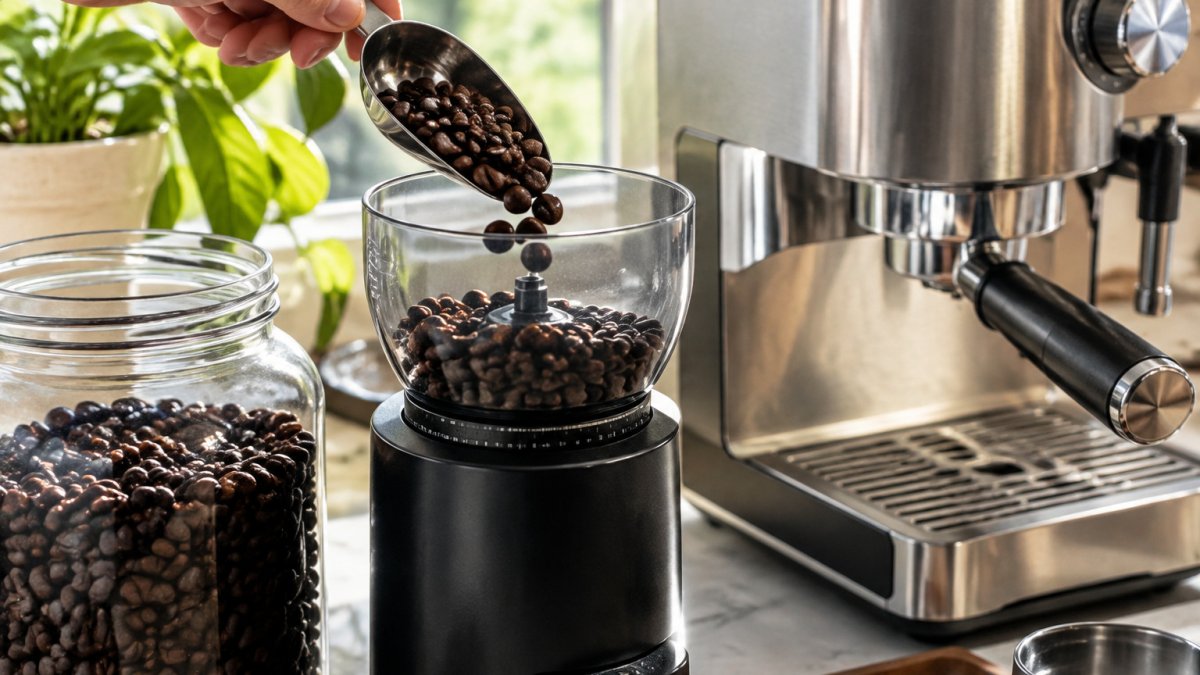
Espresso. Dark roasts work well for espresso because their lower acidity and heavier body produce a thick, chocolatey shot. Many espresso blends use darker roasts for this reason. Our 6 Bean Blend is built as a house blend and is described as great for espresso, at $18.99. Espresso brewing varies by machine, so adjust grind and extraction to your equipment and taste.

Drip. A dark roast brews fuller and less acidic in a drip machine. Use a medium grind and adjust the coffee-to-water ratio to taste. If the cup tastes harsh, reduce the brew time or coarsen the grind rather than adding more coffee.
French press. Use a coarse grind and adjust the ratio to taste. If the cup tastes bitter, try a shorter steep before changing anything else.
Pour-over. Dark roasts can turn muddy in a pour-over if the grind is too fine. Start with a medium-coarse grind and keep the pour gentle. A dark roast that tastes flat rather than bitter may need a slightly finer grind or a touch more coffee.
Single origins. A dark roast of a bright origin may lose its character, so pair dark roasts with origins that hold up, such as Sumatra, a single origin listed at $18.99 with dark chocolate and dried fruit notes.
Grinder choice. Consistent grind size is more important than the grinder's price, and a burr grinder helps. For a closer look, read Is a Burr Grinder Worth the Investment? A 2026 Guide.
Watch out: changing grind, dose, and time all at once makes it impossible to know which adjustment fixed the cup. Change one variable per brew and taste before adjusting again.
Comparing Our Dark Roast Options by Taste and Use
Here is how our current dark roast options compare. All are listed at $18.99.
| Product | Roast | Best For | Key Notes |
|---|---|---|---|
| Italian Roast | Darkest | Strong, heavy cup | Slow-roasted specialty blend |
| French Roast | Deep dark | Bold, rich cup | Bittersweet, low acidity |
| 6 Bean Blend | Dark | Espresso | Global house blend |
| Cowboy Blend | Dark and medium | Balanced cup | Cocoa, caramel, vanilla |
| Bali Blue | Medium-dark | Single origin fans | Dark chocolate, molasses |
| Sumatra | Single origin | Earthy, syrupy cup | Dark chocolate, dried fruit |
Best for a bold, heavy cup: Italian Roast or French Roast. Skip if you want: a clean, bright cup, since these dark roasts have little acidity.


How to Store Coffee Beans to Keep Them Fresh
Once beans arrive, storage decides how long they stay good. Keep them in an airtight container away from heat, light and moisture. Avoid the refrigerator, where condensation can damage the beans.
Buy whole beans when you can and grind just before brewing. Ground coffee loses aroma quickly. Only buy what you can use in a few weeks, which also keeps you from cycling through stale coffee. For storage tips, see How to Store Coffee Beans to Keep Them Fresh and How to Properly Store Ground Coffee to Keep It Fresh.
Ordering Your Next Dark Roast Bag
Choose the flavor, brew method and bag size that fit your routine, then check the roast date on arrival. Because we roast only after you order, your bag ships fresh.
Start with one 12 oz bag of French Roast or Italian Roast to test a bold dark roast, or try Cowboy Blend for a balance of dark and medium.
Frequently Asked Questions
Is a dark roast stronger than a light roast? Dark roasts taste bolder and heavier, but they contain roughly the same caffeine per bean as lighter roasts. Strength on the tongue comes from body and roast flavor.
Are dark roast beans less acidic? Yes. Longer roasting breaks down many of the bright acids, so dark roasts usually taste lower in acidity.
How do I avoid bitter dark roast coffee? Check the roast date, avoid over-extracting by shortening brew time, and choose a dark roast with sweet, chocolate or caramel notes rather than a harsh, ashy profile.
Which dark roast is best for espresso? Blends built for espresso, such as the 6 Bean Blend, are a practical starting point.
Frequently Asked Questions
How can you tell whether dark roast coffee tastes bold or burnt?
Bold dark roast tastes rich and balanced, with chocolate, caramel or toasted nut notes and a smooth finish. Burnt coffee tastes ashy, acrid or hollow, and it leaves a dry, lingering bitterness. Shiny oil on the beans is normal for dark roasts, but beans that look charred or smell smoky before brewing often produce harsh cups. If a bag tastes burnt, try a slightly lower coffee dose or a cooler water temperature next time, and compare it against a different roast date before deciding the beans are the problem.
How fresh should dark roast coffee beans be?
Dark roast beans are generally best enjoyed within a few weeks of their roast date, and whole beans hold flavor longer than ground coffee. Because Birdy & The Bear Coffee roasts each order only after it is placed, beans arrive close to peak freshness. Check the roast date on the bag, and plan to grind just before brewing.
Which dark roast coffee beans are best for espresso?
Dark roast beans are a popular choice for espresso. Our 6 Bean Blend is a house blend roasted dark and labeled as great for espresso, priced at $18.99. Italian Roast is our darkest option at the same price, and it works well for those who want a deep, heavy flavor in milk drinks. Start with a fine grind and adjust from there, since dark roasts extract quickly.
