

Table of Contents
- What Is Single Origin Coffee?
- Single Origin vs Coffee Blends Guide
-
Top Single Origin Coffee Beans by Region
- Ethiopia Natural: Fruity and Floral
- Colombia: Balanced and Smooth
- Kenya: Bright Acidity and Citrus
- Sumatra: Full Body and Earthy Notes
- Guatemala: Chocolate and Fruit Forward
- Peru: Sweet Caramel and Citrus
- Tanzania: Floral and Berry Notes
- Bali Blue: Dark Chocolate and Molasses
- Nicaragua: Cocoa and Floral Complexity
- How to Brew Single Origin Coffee
- How to Choose the Best Single Origin Beans
- Freshness, Storage, and Roast-to-Order Importance
- Ethical Sourcing: Direct Trade vs Fair Trade
- Conclusion
Last Updated: August 30, 2026
What Is Single Origin Coffee?
Single origin coffee refers to beans sourced from a single country, region, or specific farm, rather than blended from multiple origins. This distinction matters because the unique characteristics of that place, altitude, soil, climate, and processing methods, shine through in your cup. A bean from Kenya tastes nothing like one from Sumatra, even if both are medium roasts.
At Birdy & The Bear Coffee, we focus heavily on single origin selections because freshness and traceability matter most when exploring distinct flavor profiles. Each origin tells a story through its tasting notes, whether that's bright citrus from high-altitude regions or earthy, full-bodied notes from wet-hulled processing.
Single Origin vs Coffee Blends Guide
The choice between single origin and blends comes down to what you want from your coffee experience.
Single origin coffees highlight one place's unique characteristics. They're more variable, harvest to harvest, because they're not buffered by blending. A Kenya natural-process bean might be bright and floral one year, then more fruit-forward the next. That variability is part of the appeal for coffee enthusiasts.
Blends combine beans from different origins to create a consistent, predictable flavor profile. A roaster might blend a Brazilian bean for body with an Ethiopian for acidity, hitting a target taste every time. Blends are forgiving and designed to work across different brewing methods.
| Characteristic | Single Origin | Blend |
|---|---|---|
| Flavor Profile | Distinctive, origin-specific | Balanced, consistent |
| Variability | Changes season to season | Stays the same |
| Best For | Exploration, tasting notes | Everyday drinking, reliability |
| Price Range | $18-25/bag | $15-22/bag |
| Brewing Forgivingness | Requires attention | More forgiving |
Single origins demand more from you as a brewer. You need to dial in your grind, water temperature, and brew time to extract what makes that origin special. Blends are designed to work; a skilled roaster has already solved the puzzle.
Top Single Origin Coffee Beans by Region
The regions below represent some of the world's most distinctive coffee origins, each with a signature processing style, altitude range, and flavor profile.
Ethiopia Natural: Fruity and Floral
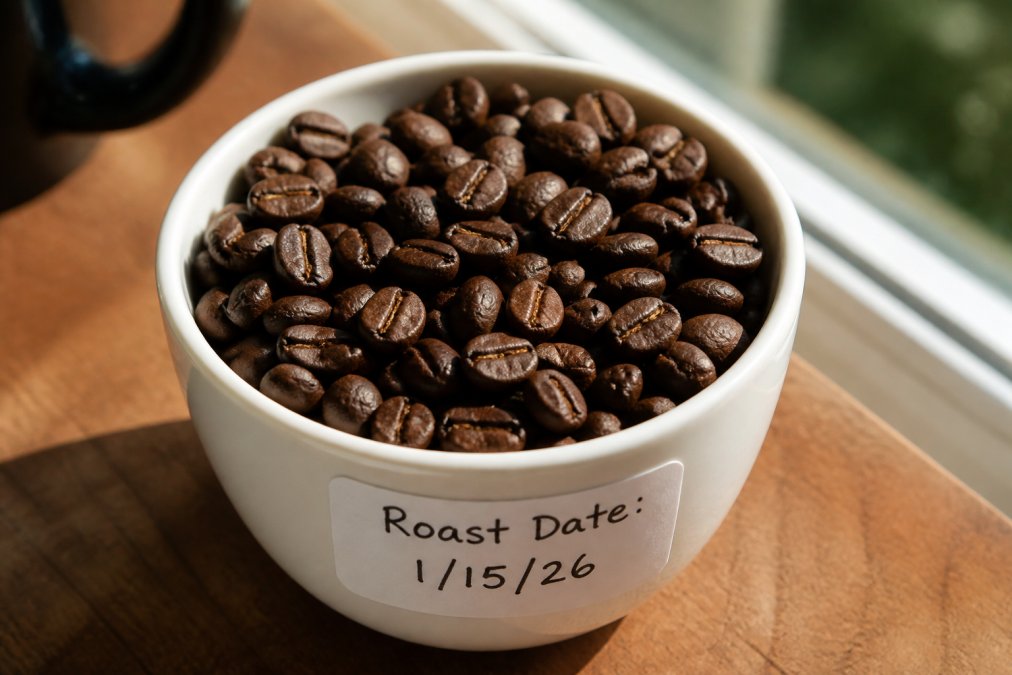
Ethiopia is coffee's birthplace. Ethiopian coffees, especially those processed naturally (dried in the fruit), are explosively fruity and floral with blueberry, jasmine, honey, and sometimes wine-like notes.
The Ethiopia Natural from Birdy & The Bear Coffee ($18.99) uses beans from the Sidama zone at 1,700-1,900 meters altitude (peer-reviewed research). The natural process creates that signature fruit-forward profile with milk chocolate, fruity, and caramel tasting notes. These beans work beautifully in pour-overs and French presses. Use slightly cooler water (200-205°F) and be precise with your grind, over-extraction turns the fruit into fermented funk.
Colombia: Balanced and Smooth
Colombia produces excellent specialty coffees that are balanced, sweet, and approachable. Birdy & The Bear Coffee's Colombia ($18.99) comes from smallholder farmers in Medellin at 1,300-1,500 meters. The fully washed process creates a cleaner cup with tasting notes of dried orange, berry, and chocolate. Colombians work in espresso, pour-overs, and automatic drip machines. They're forgiving and consistent year to year.
Kenya: Bright Acidity and Citrus
Kenyan coffees are bright and citrus-forward with floral undertones. High altitude (1,700-1,890 meters), volcanic soil, and washed processing create mouth-watering acidity. The Kenya from Birdy & The Bear Coffee ($18.99) features bright acidity, orange, lemon, floral, and effervescent notes. These beans are best in pour-overs and Aeropress, where you can control extraction precisely without the acidity turning sour.
Sumatra: Full Body and Earthy Notes
Sumatra's wet-hulling process creates coffees that are full-bodied, earthy, sometimes mushroomy or herbal. The Sumatra from Birdy & The Bear Coffee ($18.99) comes from Aceh at 1,100-1,600 meters with medium acidity, syrupy body, dark chocolate, dried fruit, and earthy notes. Sumatras shine in French press and espresso where the body is substantial and creamy.
Guatemala: Chocolate and Fruit Forward
Guatemalan coffees split the difference between brightness and body. Birdy & The Bear Coffee's Guatemala ($18.99) comes from Antigua at 1,200-1,616 meters with dark chocolate, bright fruit, and butterscotch notes. This versatile coffee works everywhere: espresso, pour-over, French press, and automatic drip.
Peru: Sweet Caramel and Citrus
Peruvian coffees deliver sweetness, citrus brightness, and silky texture without being demanding. The Peru from Birdy & The Bear Coffee ($18.99) features salted caramel, silky sweet, and citrus notes, sourced from Cooperativa Agricola de Servicisios Norandino. Peru works in any brewing method with built-in sweetness that keeps the cup balanced.
Tanzania: Floral and Berry Notes
Tanzania produces exceptional coffees with high altitude, volcanic soil, and fully washed processing. Birdy & The Bear Coffee's Tanzania ($18.99) comes from the Mbeya region at 1,200-1,900 meters with tasting notes of pear, floral, jasmine, and strawberry. This is the coffee for people who like Kenya's brightness but want more delicacy.
Bali Blue: Dark Chocolate and Molasses
Bali Blue's wet-hulled processing creates dark, heavy, almost syrupy coffee with dark chocolate, molasses, and brown sugar notes. Birdy & The Bear Coffee's Bali Blue ($18.99) comes from smallholder farmers in Kintamani at 1,200-1,600 meters. This is ideal for French press lovers and espresso drinkers who want body over brightness.
Nicaragua: Cocoa and Floral Complexity
Nicaraguan coffees are balanced and complex with cocoa and floral undertones. Birdy & The Bear Coffee's Nicaragua ($18.99) offers cocoa, floral, and citrus tones. Fully washed and fermented for 12-14 hours before drying, it has depth that rivals more famous origins.
How to Brew Single Origin Coffee
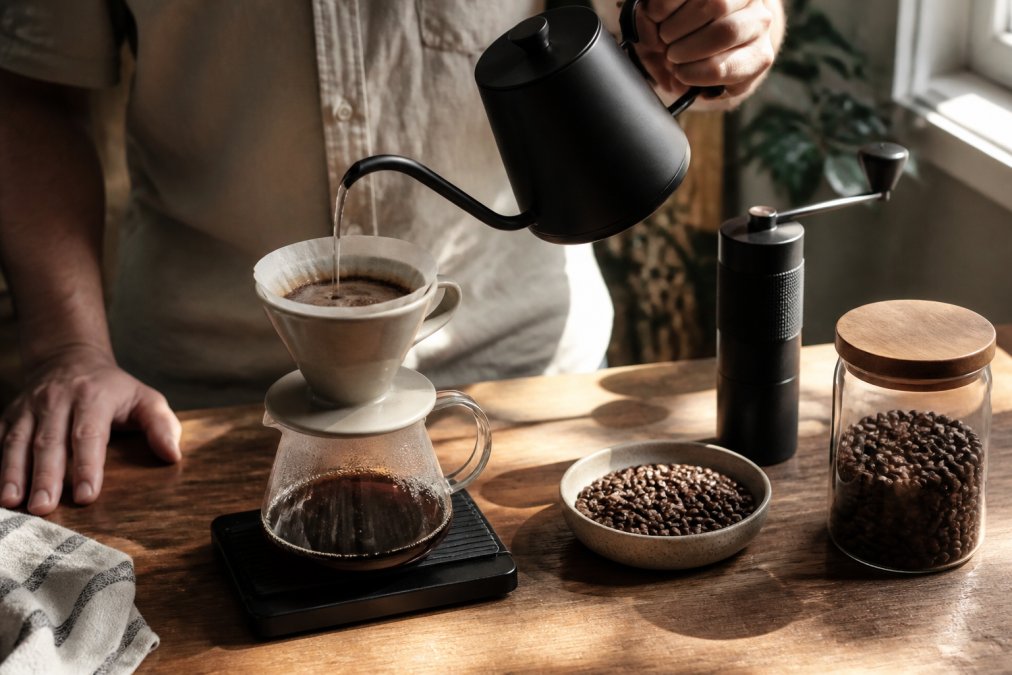
Brewing single origin coffee correctly unlocks what makes it special. The same beans can taste completely different depending on water temperature, grind size, brew time, and method.
Grind Size and Brew Method Matching
Your grind size must match your brew method. Coarse grind (French press, cold brew) uses large particles for slow extraction over minutes. Medium grind (pour-over, Aeropress) extracts in 3-4 minutes. Fine grind (espresso, Moka pot) uses small particles for fast extraction in seconds. Extra-fine grind (Turkish coffee) is powder-like for 30-second extraction.
Match the origin to the method: bright, high-acidity origins (Kenya, Ethiopia) shine in pour-overs and Aeropress. Full-bodied, earthy origins (Sumatra, Bali Blue) belong in French press and espresso. Balanced origins (Colombia, Guatemala) work anywhere.

Water Chemistry and Temperature
Water quality matters more than most people realize. Minerals in water affect extraction. The ideal is slightly hard water with balanced minerals.
Water temperature is critical:
- 195-200°F: For light roasts and high-acidity origins (Kenya, Ethiopia)
- 200-205°F: For medium roasts and balanced origins (Colombia, Guatemala, Peru)
- 205-210°F: For dark roasts and full-bodied origins (Sumatra, Bali Blue)
If you don't have a thermometer, let boiling water cool for 30 seconds before pouring. Over-extraction (too hot, too long, too fine) tastes bitter and ashy. Under-extraction (too cool, too short, too coarse) tastes sour and thin.
How to Choose the Best Single Origin Beans
Start with what you like to taste. Do you gravitate toward bright, citrusy flavors? Kenya and Ethiopia are your starting points. Do you prefer chocolate and body? Sumatra and Bali Blue. Do you want balance? Colombia and Guatemala.
The Single Origin Favorites Sample Pack from Birdy & The Bear Coffee ($24.99) solves the problem of commitment. You get 2-ounce samples of six different origins: Brazil Santos, Colombia, Costa Rica, Ethiopia, Honduras, and Tanzania. Samples let you explore without waste.
Once you've found an origin you love, buy whole bean. Whole beans stay fresh longer than ground. Store them in an airtight container away from light and heat, and use them within two weeks of the roast date for peak flavor.
The roast date matters more than the best-by date. Coffee peaks 5-7 days after roasting and stays excellent for 2-3 weeks. After a month, it's noticeably stale.
Freshness, Storage, and Roast-to-Order Importance
Freshness is the single biggest factor in coffee quality. A mediocre bean roasted fresh beats a great bean that's been sitting around for months. Coffee begins to oxidize and lose its volatile aromatics the moment it's roasted.
Roast-to-order means the roaster waits until you order, then roasts your beans. This guarantees maximum freshness. Birdy & The Bear Coffee roasts every order after it's placed, ensuring you're not getting last month's inventory.
Storage matters too. Keep beans in an airtight container in a cool, dark place (not the fridge or freezer), and use within 2-3 weeks of the roast date. Grind just before brewing. If you can't use a bag within three weeks, freeze it. Thaw fully before opening, then grind and brew immediately.
The investment in freshness pays off dramatically. A fresh, properly stored single origin tastes like a completely different product than stale coffee.
Ethical Sourcing: Direct Trade vs Fair Trade
How your coffee is sourced matters for both farmers and quality.
Fair Trade is a certification system guaranteeing a minimum price per pound, ensuring farmers aren't exploited (fairtrade.net). The downside: the minimum price is often lower than what specialty coffee farmers need, and certification adds cost passed to consumers.
Direct Trade means the roaster buys directly from farmers or small cooperatives, cutting out middlemen. Prices are negotiated directly, often higher than Fair Trade minimums. There's no official certification, but you know exactly where your coffee comes from, and quality is often higher.
Birdy & The Bear Coffee works with growers worldwide to source beans responsibly. You'll see farmer names and cooperatives listed on each origin. That specificity matters, it means we can trace your coffee back to the actual people who grew it.
Conclusion
Ordering single origin coffee beans is an investment in quality, freshness, and direct connection to the people who grew your coffee. Each origin tells a story through its flavor profile, whether that's the bright citrus of Kenya, the fruity complexity of natural-process Ethiopia, or the full body of Sumatra.

The key is matching the origin to your brewing method, dialing in your water temperature and grind size, and using the beans within 2-3 weeks of the roast date. When you get it right, single origin coffee tastes like nothing else.
Birdy & The Bear Coffee delivers roast-to-order single origins directly to your door, ensuring peak freshness. Whether you start with the Single Origin Favorites Sample Pack to explore what resonates with you, or jump straight to a full bag of Colombia or Kenya, you're getting coffee sourced directly from farmers, roasted fresh, and delivered at its absolute best. Shop Now and discover what specialty coffee actually tastes like.

Frequently Asked Questions
Q: What are the best single origin coffee beans to buy in 2026?
A: The best single origin coffee beans depend on your flavor preferences and brewing method. Ethiopia Natural offers fruity, caramel notes ideal for pour-over brewing. Colombia delivers balanced, chocolate-forward profiles perfect for espresso. Kenya provides bright acidity and citrus for those who prefer lighter roasts. Each region's altitude, processing method, and terroir create distinct flavor profiles. Start with the Single Origin Favorites Sample Pack to explore six different origins before committing to a full bag.
Q: How does single origin coffee differ from coffee blends?
A: Single origin coffee comes from one specific region, farm, or micro-lot, allowing you to taste the unique characteristics of that terroir, altitude, and processing method. Blends combine beans from multiple origins to create a consistent, balanced flavor profile. Single origins highlight distinct tasting notes like floral, fruity, or chocolatey qualities, while blends are engineered for smoothness and complexity. Single origins vary seasonally, whereas blends maintain consistency year-round. If you want to explore diverse flavor profiles and understand coffee's origin story, single origin is the choice.
Q: How do I store single origin coffee beans to maintain freshness?
A: Store whole beans in an airtight container away from light, heat, and moisture. Keep them at room temperature, never in the refrigerator or freezer, as temperature fluctuations damage the beans. Whole beans stay fresh for 2-4 weeks after the roast date; ground coffee loses freshness within days. Buy beans with a recent roast date printed on the bag. Roast-to-order coffee arrives at peak freshness since it's roasted only after your order is placed, ensuring you receive beans at their optimal window for brewing.
Q: What is the best website to order fresh-roasted single origin coffee beans online?
A: Look for roasters that practice roast-to-order, meaning they roast beans only after receiving your purchase. This ensures maximum freshness during shipping and delivery. Check that the website displays the roast date prominently on each bag. Review their sourcing transparency, including grower names, altitude, and processing details. Birdy & The Bear Coffee roasts every order after it's placed and partners directly with growers worldwide, offering single origins like Ethiopia Natural, Colombia, and Kenya at $18.99 per bag, with a sample pack available for $24.99.
Q: Why should I choose single origin coffee over blends?
A: Single origin coffee lets you taste the distinct characteristics of a specific region's climate, soil, and farming practices. Each origin offers unique flavor notes: Ethiopian beans often taste fruity and floral, Colombian beans deliver chocolate and balance, Kenyan beans provide bright citrus acidity. Single origins are ideal for specialty brewing methods like pour-over or French press where subtle flavors shine. If you're exploring coffee's complexity or want to understand how altitude and processing affect taste, single origin is the superior choice. Blends are better for consistency and convenience.
This article was written using GrandRanker